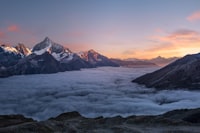
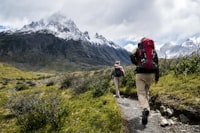
Whether you are heading to the Swiss Alps or the Nepalese Himalayas, the right gear can mean the difference between an incredible experience and a miserable one. After 15 years guiding across Europe and beyond, I have refined this list to the essentials that every trekker genuinely needs — and cut out the gear that sounds good but just adds weight.
The Layering System: Your Most Important Concept
Before we get to the list, understand the layering principle. Mountain weather is unpredictable. The solution is not one heavy jacket but three lighter, adaptable layers:
- Base layer — moisture-wicking against your skin (merino wool or synthetic, never cotton)
- Mid layer — insulation to trap warmth (fleece or down jacket)
- Outer layer — wind and waterproof shell to block the elements
You can mix and combine these three layers to handle temperatures ranging from warm afternoon sun to freezing summit winds.
Footwear: The Non-Negotiables
Your boots are the most important gear decision you will make. Do not cut corners here.
- Trekking boots — ankle support is essential on uneven terrain. Must be fully broken in before your trek. At least 3 to 4 weeks of regular wear beforehand.
- Camp sandals or Crocs — your feet need to breathe at the end of the day. A cheap pair of sandals saves enormous discomfort.
- Trekking socks — minimum 4 to 6 pairs of quality wool or synthetic blend socks. Merino wool is excellent. Change socks daily and air them out whenever possible.
- Gaiters — essential for snow, mud, or scree terrain. Lightweight options work well for most trekking routes.
Elena's Rule: If your boots are not broken in before your trek starts, your trek will be defined by your blisters. I break in every pair of new boots with a minimum of 10 full-day hikes before guiding in them. Expect the same from your own footwear.
The Clothing List
Upper Body
- 3 to 4 moisture-wicking base layer t-shirts
- 1 to 2 long-sleeve base layer tops
- 1 mid-weight fleece jacket
- 1 down or synthetic insulated jacket (packable is ideal)
- 1 waterproof hardshell jacket with hood
- 1 lightweight softshell for moderate conditions
- Warm hat (wool or fleece) and sun hat with brim
- Buff or neck gaiter
- Lightweight liner gloves and warm waterproof outer gloves
Lower Body
- 2 to 3 pairs of trekking trousers (zip-off convertibles are versatile)
- 1 pair of waterproof over-trousers
- Thermal base layer leggings for high-altitude nights
- 4 to 6 pairs of trekking socks
- Underwear (moisture-wicking, quick-dry)
Backpack: Day Pack and Duffel
On supported treks, your porter or mule carries your main luggage (typically up to 10 to 15kg). You carry a day pack with just your daily essentials. Here is what goes in each:
Day Pack (20 to 30 litres) — You Carry This
Water (2 litres minimum), snacks, waterproof jacket, camera, sunscreen, headlamp, first aid kit, trekking poles, phone, document copies.
Main Duffel / Pack (40 to 60 litres) — Porter Carries
Sleeping bag, extra clothing layers, camp shoes, toiletries, books, electronics charger, any non-essentials.
Safety and Health Essentials
- Personal first aid kit — blister pads, antiseptic wipes, pain relief (ibuprofen, paracetamol), antihistamines, rehydration sachets, bandages, moleskin for blisters
- Water purification — iodine tablets, SteriPen UV purifier, or reliable filter (LifeStraw)
- Headlamp — with spare batteries. Petzl and Black Diamond are reliable brands. Essential for early morning summit starts
- Trekking poles — dramatically reduce knee stress on descents. Adjustable carbon fibre poles are lightweight and strong
- Sun protection — SPF 50+ sunscreen, UV-protection lip balm, and quality sunglasses with UV400 lenses. At altitude, UV exposure is intense even on cloudy days
Electronics and Connectivity
- Smartphone with offline maps downloaded (Maps.me or Google Maps offline)
- Portable power bank — at least 20,000mAh for multi-day treks
- Universal travel adaptor
- Camera (optional — a modern smartphone is excellent)
- Lightweight e-reader for evenings at camp
What to Leave Behind
Every extra kilogram you carry costs energy. These are the most common items I see trekkers pack unnecessarily:
- Multiple pairs of jeans (too heavy and slow to dry)
- Full-size toiletry bottles (decant into 100ml travel containers)
- Multiple pairs of shoes beyond boots and sandals
- Excessive amounts of electronics and cables
- Books (bring one, or use a Kindle)
Test your pack weight at home before you travel. Aim for a day pack weight of no more than 8 to 10kg including water. If you are over this, look at what you can leave behind or decant into lighter containers.
Final Checklist Before You Go
The night before departure, run through this final checklist: boots broken in, travel insurance covering trekking, all permits and documents copied digitally and physically, emergency contacts left with someone at home, and a full medical check if you have any pre-existing conditions. Preparation is not exciting — but it is what separates a comfortable adventure from an ordeal.

Elena Voss
A certified mountain guide with Trekkership since 2011. Expert in high-altitude trekking, wilderness safety, and cultural immersion travel. All articles are based on first-hand experience guiding thousands of trekkers across the world's greatest trails.